
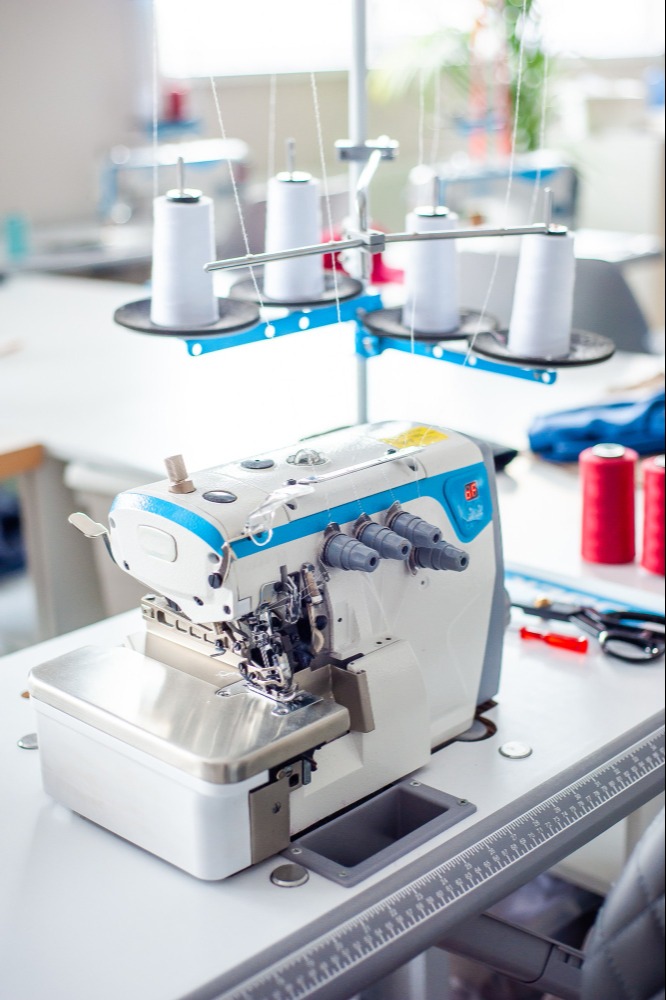
Discover the key facts about garment machinery selection, automation, machine capacity, technical support, and long-term value for manufacturers.
FACT 1 — More Automation Is Not Always Better
Automation should solve a specific production challenge. A factory does not necessarily need to automate every process.
Sewing Automation [Products Page], for example, may be useful for specific repetitive operations rather than every sewing task.
FACT 2 — Machine Price Is Only One Cost
Purchase price is only one part of the overall investment. Maintenance, energy consumption, operator requirements, downtime, technical support, and machine lifespan can all influence ownership costs.
FACT 3 — Capacity Must Match Production
A machine should be selected according to actual production requirements. Insufficient capacity can create bottlenecks, while excessive capacity may result in unnecessary investment.
FACT 4 — Cutting Accuracy Starts Before Cutting
Cutting results are influenced by pattern development and fabric spreading. Digital planning and consistent material preparation can contribute to better results.
This is why CAD Software Solutions [CAD Software Page] can play an important role in a connected garment-production workflow.
FACT 5 — Support Matters After Installation
Reliable machinery still requires appropriate operation, maintenance, and technical support.
For manufacturers evaluating these factors in the Tiruppur garment industry, Rainbow Garment Machines provides a relevant business context for exploring garment machinery and technology solutions.
The Takeaway
The best machinery decision is not necessarily the most expensive or most automated option. It is the solution that matches the factory's workflow, production volume, workforce, and long-term objectives.
Keywords


