Learn why identifying production problems first can help garment manufacturers choose more suitable machinery and avoid unnecessary technology investments.
Problem → Production Impact → Technology → Result
Problem: Too Much Repetitive Work
Repetitive operations can consume valuable working hours and place continuous demands on production staff.
Production Impact
As order volumes increase, repetitive manual tasks can become difficult to manage at the required speed.
Technology to Consider
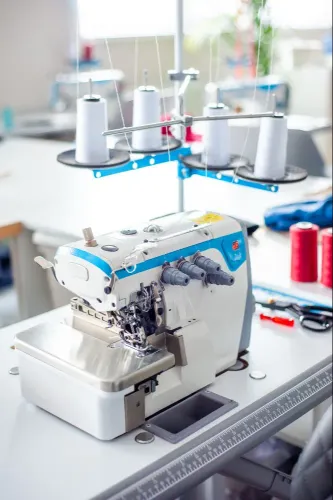
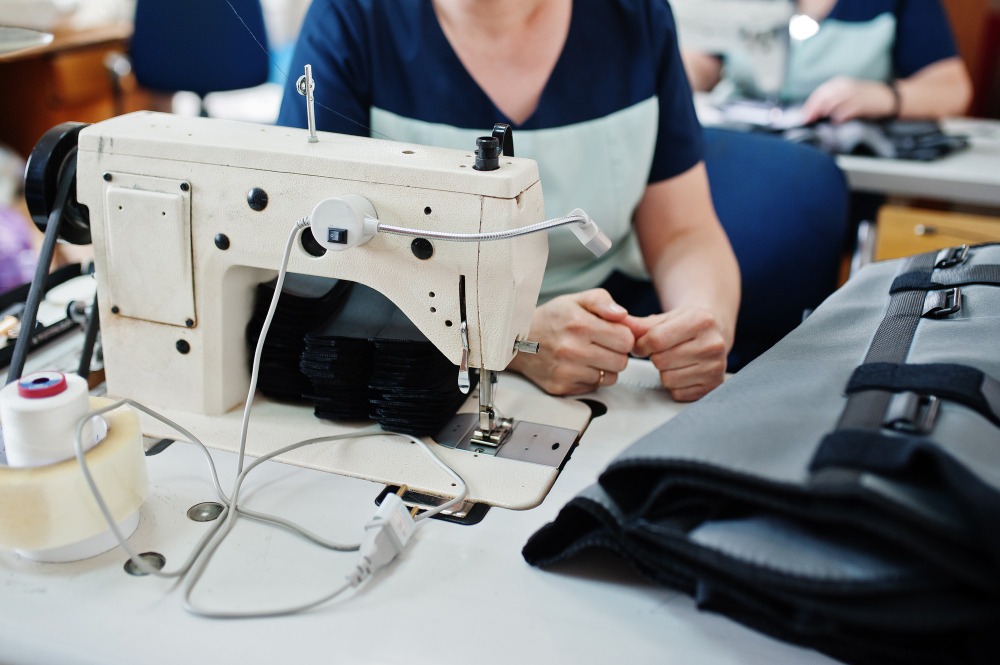
Depending on the operation, manufacturers may evaluate Sewing Automation [Products Page] or other specialised automation solutions.
Potential Result
Suitable automation can reduce repetitive workload and improve process consistency.
Problem: Inconsistent Fabric Cutting
Manual cutting can become challenging when production volumes are high or when consistent results are difficult to maintain.
Production Impact
Variations in cutting can affect downstream garment assembly and contribute to material inefficiencies.
Technology to Consider
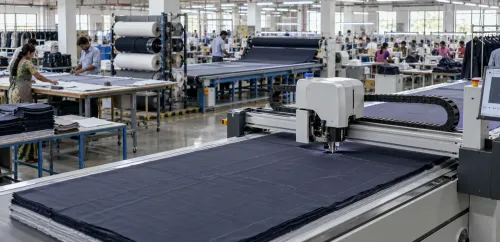
An Automatic Fabric Cutting Machine [Automatic Fabric Cutting Machine Page] can be evaluated when automated cutting is appropriate for the fabric, production volume, and workflow.
Potential Result
A properly selected automated cutting process can support more consistent production.
Problem: Difficulty Managing Design Changes
Frequent style changes can make manual pattern development time-consuming.
Technology to Consider
Digital CAD Software Solutions [CAD Software Page] can help teams manage pattern development and modifications electronically.
The Principle
Technology should follow the production problem—not the other way around.
For manufacturers evaluating these solutions within the Tiruppur garment industry, Rainbow Garment Machines can be considered as part of the machinery-selection process.
Keywords