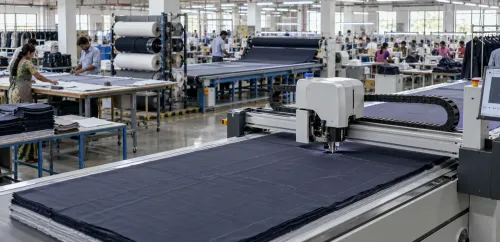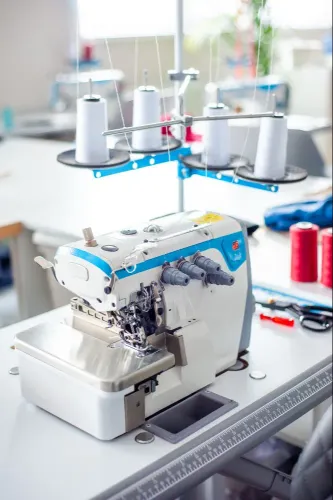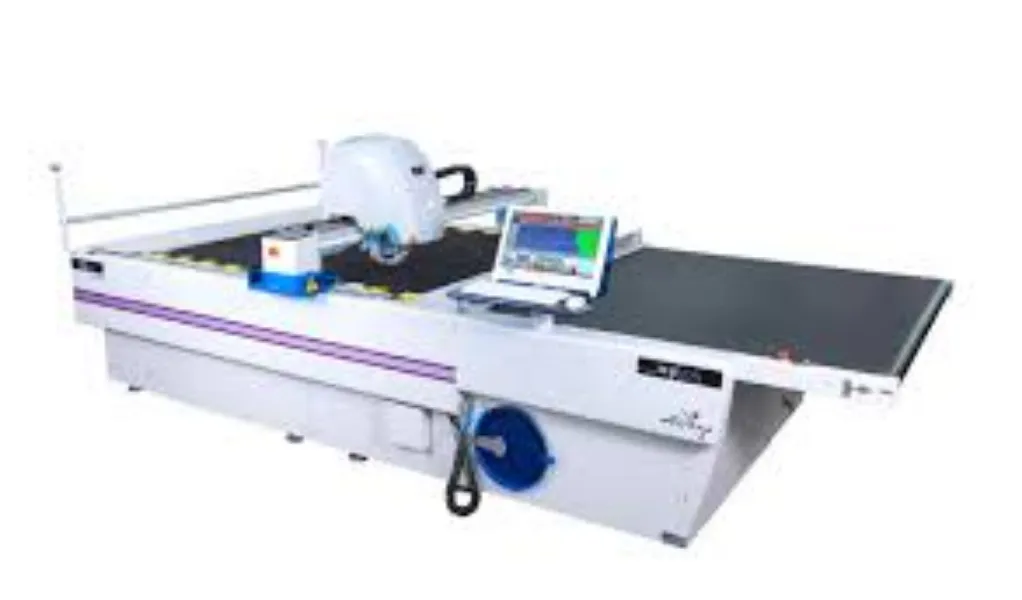
Identify five signs that your garment factory may benefit from Cutting Automation, including manual delays, inconsistent cutting, fabric waste, and high workloads.
1. Manual Cutting Is Slowing Production
When fabric cutting depends heavily on manual processes, production speed can become difficult to maintain as order volumes increase.
If cutting becomes a regular bottleneck, manufacturers may need to evaluate Cutting Automation [Products Page] as part of a wider production strategy.
2. Cutting Consistency Is Difficult to Maintain
Garment production requires accurate fabric cutting. Small variations can affect downstream assembly and the appearance of finished garments.
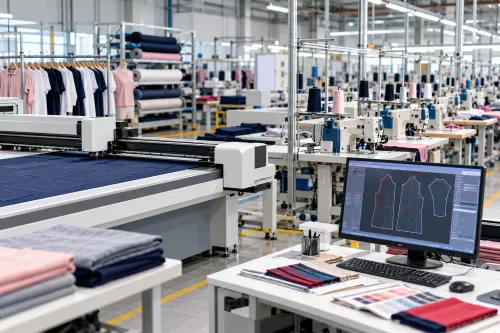
Automated cutting equipment can provide greater consistency when properly selected and configured.
3. Fabric Waste Is Becoming a Concern
Material costs can significantly influence garment manufacturing expenses. Poor cutting practices may contribute to unnecessary waste.
Digital planning and controlled cutting can help manufacturers manage material usage more effectively.
The connection between CAD Software Solutions [CAD Software Page] and cutting technology is particularly relevant because digital pattern preparation can support organised cutting processes.
4. Production Volumes Are Increasing
A process that works for a smaller production volume may become difficult to manage when orders increase.
For garment manufacturers in Tiruppur, increasing production requirements may make automation worth evaluating as part of future capacity planning.
5. Skilled Labour Is Being Used for Repetitive Tasks
Experienced workers are valuable resources. If skilled personnel spend significant time on repetitive cutting operations, automation may allow them to focus on tasks requiring greater judgement.
A Practical Decision
Cutting Automation is most useful when it addresses a clear production requirement. Manufacturers should assess cutting speed, accuracy, fabric utilisation, production volume, workforce requirements, and expansion plans.
Rainbow Garment Machines can be evaluated by businesses looking at garment machinery and automation options for their production needs.
Keywords