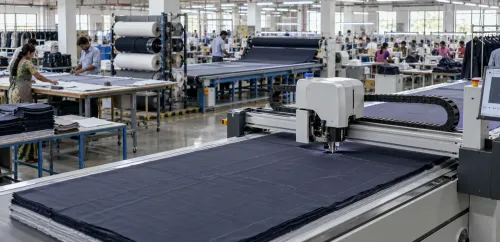
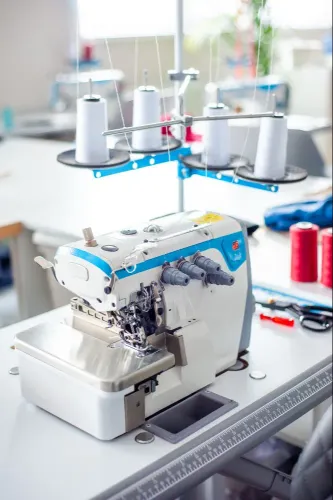
Selecting the right cutting method can directly influence production speed, fabric utilization, and overall manufacturing costs. While manual cutting remains suitable for small-scale operations, an Automatic Fabric Cutting Machine offers significant advantages for medium and large garment factories handling high-volume orders.
Understanding the differences between the two approaches helps manufacturers make informed investment decisions.
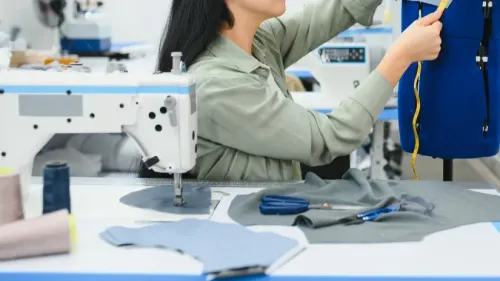
Manual Cutting: Where It Still Fits
Manual cutting continues to be useful for:
- Small production runs
- Sample development
- Boutique manufacturing
- Customized garments
- Low investment startups
However, manual processes depend heavily on operator skill and become less efficient as production volume increases.
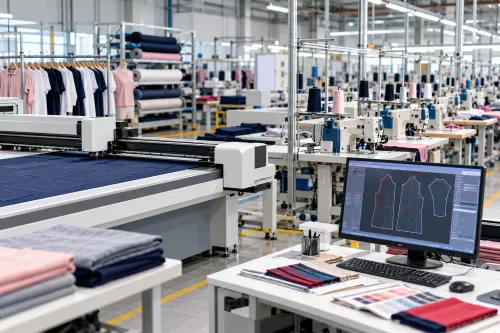
Advantages of an Automatic Fabric Cutting Machine
Modern automated cutting equipment is designed for precision and productivity.
Greater Accuracy
Digital cutting minimizes dimensional variations and improves consistency across every garment piece.
Faster Production
Automated systems can cut multiple fabric layers in less time, helping factories increase daily output.
Better Fabric Utilization
Optimized marker planning reduces excess fabric consumption, lowering material costs over time.
Reduced Human Error
Automation minimizes mistakes caused by fatigue or inconsistent manual handling.
Cost Considerations
While automated machines involve a higher initial investment, manufacturers should also evaluate long-term returns.
Factors contributing to ROI include:
- Reduced fabric waste
- Lower labor dependency
- Faster production cycles
- Fewer rejected garments
- Improved customer satisfaction
For factories producing garments continuously, these savings often outweigh the upfront cost.
Relevance for the Tiruppur Garment Industry
Manufacturers in Tiruppur, Tamil Nadu, frequently manage export-oriented production where consistency and timely delivery are essential. Automated cutting equipment supports these objectives by improving workflow efficiency and reducing production bottlenecks.
As order volumes grow, many factories transition from manual cutting to automated systems to remain competitive.
Rainbow Garment Machines works with apparel manufacturers to identify cutting solutions based on production scale, fabric type, and operational requirements, ensuring investments align with long-term business objectives.
Choosing between manual and automated cutting ultimately depends on production goals, but for growing garment manufacturers, automation often provides measurable improvements in productivity and profitability.
Keywords